Window Ventilation vs. Exhaust Fans in Cold Weather: What’s Better for Ceiling Mold?
Cold weather brings a familiar problem for many homeowners: condensation on windows, damp walls, and the slow spread of mold on ceilings. When the temperature drops, people seal their homes tight to keep the heat in, which traps moisture from showers, cooking, and even breathing. That moisture has to go somewhere, and often it settles on the coldest surfaces in the room, the ceiling and the windows. If you are dealing with ceiling mold, you already know the cleanup is only half the battle. The real fix lies in managing the humidity and airflow so mold cannot return. Two common options for moving moisture out are opening a window and running an exhaust fan. Each has its place, but in cold weather, they work very differently. Understanding when to use each can save you from frozen pipes, skyrocketing heating bills, and mold that keeps coming back.
How Moisture Builds Up and Why Ceilings Are Vulnerable
Warm air holds more moisture than cold air. When you take a hot shower or boil pasta, the air in the room becomes warm and humid. As that air rises, it meets the ceiling, which is often the coolest surface in the room because heat escapes through the roof or upper walls. The moisture condenses on the ceiling, creating a damp spot where mold spores can germinate. In winter, the temperature gap between the warm indoor air and the cold ceiling is wider, so condensation happens faster. That is why ceiling mold is so common in bathrooms and kitchens during the colder months, even in homes that are otherwise dry. The only reliable way to stop this cycle is to replace the humid indoor air with drier outdoor air before it can condense. But how you do that matters.
Opening a Window in Winter: The Quick Air Exchange
Cracking a window for a few minutes after a shower or while cooking is the simplest way to flush out humidity. Cold outdoor air has very low absolute moisture content, so even a small amount of fresh air can dramatically lower the room’s relative humidity. The advantage is speed: within a minute or two, the damp air is pushed out and replaced with dry air. That dry air then warms up, and its relative humidity drops further, making it much harder for condensation to form on the ceiling. However, opening a window in winter has downsides. The rush of cold air can chill the room quickly, making the heating system work harder. If you leave the window open too long, you risk freezing pipes in the wall cavity or causing the room to become uncomfortably cold. There is also the matter of security and convenience: in a second-story bathroom or a room without an easy-to-reach window, this method is less practical. But as a short, controlled burst of ventilation, it is hard to beat for effectiveness.
Exhaust Fans: Steady Removal but Limited in Cold Weather
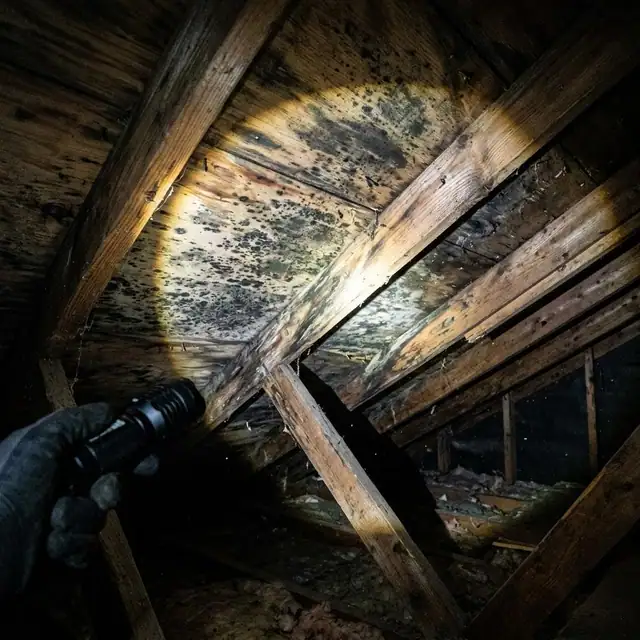
Bathroom and kitchen exhaust fans are designed to pull moist air out of the room and vent it outside, usually through a duct in the wall or roof. They work continuously while you are showering or cooking, removing humidity at the source before it spreads. In theory, this is the ideal solution. In practice, exhaust fans in cold weather face a few problems. First, the fan creates negative pressure in the room, which pulls cold air in through any gaps around the door or window. That cold air can drop the temperature near the ceiling, actually increasing condensation on that surface. Second, if the exhaust duct is not insulated, the warm, moist air can condense inside the duct itself, leading to water damage or ice buildup that blocks the airflow. Third, many exhaust fans are undersized for the room they serve, or they vent into an attic space instead of directly outside, which just moves the moisture problem to another part of the house. For all these reasons, an exhaust fan is not always the best tool for preventing ceiling mold, especially in very cold climates.
Comparing the Two Approaches
The table below summarizes the key differences between window ventilation and exhaust fans in cold weather, focusing on their effect on ceiling mold risk.
- Moisture removal speed: A window can flush out humidity in under two minutes. An exhaust fan takes longer and may not remove all the moisture before it settles on the ceiling.
- Impact on room temperature: Short window use causes a quick temperature drop that the heating system can recover from quickly. An exhaust fan runs longer, pulling in cold air continuously and making the room feel drafty.
- Risk of condensation: Window ventilation reduces ceiling condensation by replacing humid air with dry air. An exhaust fan can sometimes make it worse by lowering the ceiling temperature through cold air infiltration.
- Ease of use: An exhaust fan runs on a switch, so it is always available. A window requires manual operation and may not be accessible in every room.
- Heating cost: Opening a window for a short burst wastes less heat than running an exhaust fan for 20 minutes, which pulls warm air out continuously.
Neither method is perfect, and the best choice often depends on your specific room, climate, and habits. But for ceiling mold prevention, the priority is to get the moisture out fast without making the ceiling colder. That is where a combination of techniques often works best.

When to Use Window Ventilation
Window ventilation is ideal for small bathrooms or kitchens where you can open a window easily and close it after a few minutes. The key is to open it immediately after the shower or cooking session, when the air is most humid. Leave it open for one to three minutes, enough to feel the air change, then close it. This method works especially well if the outdoor temperature is below 40°F, because the outdoor air is very dry. In milder weather, say above 50°F, the outdoor air holds more moisture, so the exchange is less effective. You also need to be careful about freezing: if the window frame or the pipes near it are exposed, a long open window can cause problems. Stick to short bursts, and monitor the room temperature to avoid chilling the space too much. If you have a ceiling mold problem that keeps returning, try the window method for a week and see if the condensation on the ceiling decreases. Many people find that this simple habit makes a big difference.
When to Rely on Exhaust Fans
Exhaust fans are a better choice in rooms where opening a window is impractical, for example, a basement bathroom, a room with no window, or a very cold room where you cannot afford to lose heat. They also work well in larger spaces where a single burst of fresh air is not enough to clear the humidity. For ceiling mold prevention, the most important thing is that the fan actually vents outside. Many bathroom fans just circulate air into the attic or a crawlspace, which does nothing to remove moisture and can even feed mold in those hidden areas. If your fan vents directly outdoors, it can be effective, especially if you run it for at least 15 minutes after the moisture source stops. However, in very cold weather, consider running the fan only while the shower is on and for a few minutes after, then switching to a window for the final air exchange. This hybrid approach gives you the best of both: the fan handles the peak humidity, and the window gives a quick dry-air flush.
The Role of Professional Mold Remediation
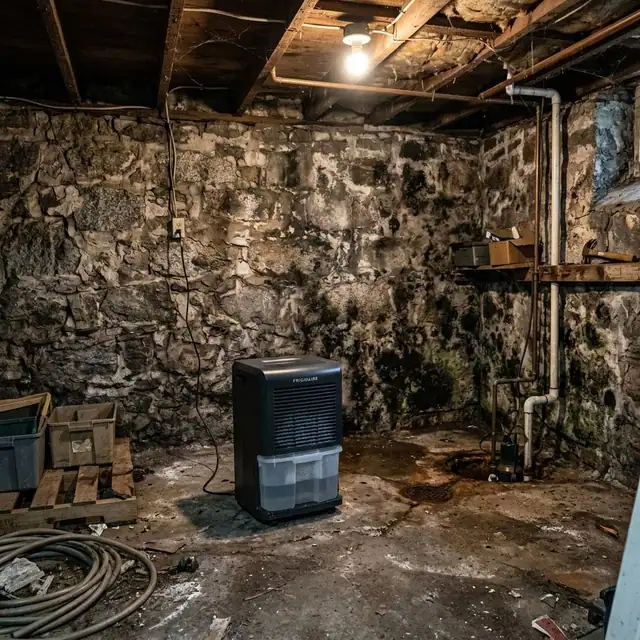
If you already have visible mold on your ceiling, ventilation alone will not remove it. The mold needs to be cleaned thoroughly, and the underlying moisture source must be addressed. That might mean fixing a leaky roof, insulating the ceiling to reduce condensation, or replacing damaged drywall. This is where a service like Mold Removal Boston Pros ceiling mold remediation comes in. They can assess the full picture, visible growth, hidden moisture in the structure, damaged materials, and the ventilation problems that allowed the mold to take hold. In cold climates like Boston’s, the combination of old buildings, cold attics, and high indoor humidity creates perfect conditions for ceiling mold. A professional can identify whether the root cause is a ventilation issue, a thermal bridge, or a hidden leak, and then remediate the mold and fix the underlying problem so it does not return.
Making the Right Choice for Your Home
There is no single answer to whether window ventilation or exhaust fans are better for ceiling mold in cold weather. The best approach depends on your room layout, how much moisture you generate, and how your home handles temperature changes. For most people, a mix of both strategies works well: use the exhaust fan during the moisture-producing activity, then open the window briefly afterward to replace the humid air with dry outdoor air. If you notice that the ceiling still gets damp or that mold keeps appearing, it may be time to look at other factors, such as insulation, vapor barriers, or the direction of airflow in the room. Sometimes the solution is as simple as adding a small gap under the bathroom door to let air circulate, or installing a timer switch on the exhaust fan so it runs long enough to clear the room. But if the mold is persistent or has caused damage to the ceiling material, do not hesitate to call a professional. Mold Removal Boston Pros ceiling mold remediation can tackle the problem at its source, giving you a clean, dry ceiling that stays that way through the winter.